Prudential Kovack Realtors games Deciphering the Mysteries Behind the Appeal of Children with Red Hair

Deciphering the Mysteries Behind the Appeal of Children with Red Hair

People from various cultures and generations are drawn to red hair for a range of reasons, consisting of a blend of wonder, awe, and even competition. Red hair is the natural hair color that is the least common worldwide, representing only one to 2 percent of the total population. This is one of the reasons this is considerable. Those who remain in belongings of this special item often attract attentions and promote the curiosity of others.

Redheads are easily distinguishable due to the striking visual contrast that is created by their various colored hair.The color red hair is connected with a diverse variety of cultural ramifications, which surpasses its large rarity in terms of appearance. The fact that redheads have actually been connected with both favorable and negative connotations throughout history contributes further to the appeal of their mystical appearance.

The imagination of people all over the worlds has been mesmerized by redheads for a very long time. Given that ancient times, individuals have been illustrated in folklore as having wonderful skills, and even in contemporary times, stereotypes have actually perpetuated beliefs of intense moods. Redheads and their hair were thought about to be people who possessed a strong will and revealed boldness in ancient Greece.

According to Celtic folklore, red hair was related to supernatural talents and strength, whereas the Romans loved red hair as a symbol of virility and Power from their viewpoint. Let’s fast forward to the present day, where referrals to pop culture such as “Anne of Green Gables” and “Pippi Longstocking” have actually provided people with red hair as being brave, courageous, and adventurous. These are traits that are frequently linked to redheads in real life.There are many different representations of redheads, and each one has added to the everlasting mystique that surrounds them. The general public’s interest with these unique group of individuals is regularly fueled by the reality that they are uncommon and by the age-old proverbs that are associated with their intense locks.

It is not just a matter of appearances; the understandings of society have likewise had a significant function in shaping the characteristics of these people in equally engaging ways.The qualities of self-confidence, resiliency, and assertiveness are all favorable attributes that are related to having a redhead. In popular stories about prominent redheads who have actually left enduring effect on their respective areas, these characteristics are usually hailed as being exceptional.

In the minds of those who think of excellent women like Lucille Ball or Julianne Moore, the image that enters your mind is not only one of charm, but also of strength and unyielding drive.At the same time that we are examining the historical fascinations that are related with the rarity and distinctive characteristics of redheads, the mystery that lies behind the magnetic destination of redheads starts to unfold.
Related Post

The Impact of Inflation on Home Building Across the USAThe Impact of Inflation on Home Building Across the USA

Introduction

Inflation,the steady increase in prices of goods and services over time,is a phenomenon that has far-reaching consequences for various sectors of the economy. One such sector that’s significantly feeling the heat of inflation is home building in the United States. As inflation continues to climb,the cost of constructing new homes has surged,presenting challenges for both builders and potential homeowners. In this article,we’ll delve into how inflation is affecting home building across the USA and explore the implications of these rising costs.

The Rising Costs of Materials

One of the primary drivers behind the inflation-induced challenges in the home building industry is the escalating cost of construction materials. From lumber to steel to concrete,the prices of essential building components have witnessed substantial increases in recent years. Lumber prices,for instance,experienced a dramatic surge,driven by supply chain disruptions and increased demand during the pandemic. This surge not only impacted the cost of wood-framed structures but also sent ripple effects throughout the construction industry.

Builders,grappling with higher material costs,find themselves in a dilemma. They must either absorb these increased expenses,which eats into their profit margins,or pass them onto the potential homeowners,making housing less affordable. Inflation’s impact on material costs also trickles down to other aspects of home construction,such as plumbing fixtures,electrical wiring,and roofing materials,further compounding the issue.

Labor Shortages and Wage Pressures

In addition to materials,another crucial factor affecting the home building industry is the labor shortage combined with wage pressures. The construction industry has been grappling with a shortage of skilled labor for years,and the pandemic only exacerbated this challenge. The demand for new Homes continues to rise,but the supply of skilled workers is struggling to keep up. As a result,construction companies are faced with the need to offer higher wages to attract and retain skilled labor,further driving up construction loan and construction costs.

Higher wages can have a cascading effect on overall project costs. When labor costs rise,builders are compelled to increase the prices of their services,contributing to the overall escalation of housing prices. This scenario creates a double-edged sword: while higher wages are essential to ensure fair compensation for workers,they simultaneously contribute to making homes less affordable for potential buyers.

Land and Regulatory Costs

Inflation’s impact on home building doesn’t stop at materials and labor. Land prices and regulatory costs are additional components that significantly contribute to the overall cost of constructing new homes. As demand for housing continues to grow,the cost of available land has also risen. This is particularly evident in urban areas where space is limited and competition for land is fierce.

Moreover,regulatory costs,including permits,inspections,and compliance with building codes,have also seen an upward trajectory. While these regulations are essential for ensuring the safety and quality of homes,the increased costs associated with them pose a challenge for builders who are already grappling with other inflation-induced expenses.

Implications for Homebuyers and the Housing Market**

The cumulative effects of inflation on home building have significant implications for homebuyers and the housing market as a whole. As the cost of construction materials,labor,land,and regulations continue to rise,the prices of newly constructed homes are also climbing. This trend has the potential to make homeownership less attainable for many individuals and families,especially those with lower incomes or first-time homebuyers.

Furthermore,the affordability crisis in the housing market can impact the overall health of the real Estate industry. A slowdown in new home construction due to higher costs could lead to a shortage of available housing units,which may result in increased competition for existing homes and drive up their prices as well.

Conclusion

Inflation’s impact on home building in the USA is undeniable,with rising costs of materials,labor shortages,and escalating land and regulatory expenses all contributing to the challenges faced by the construction industry. As builders grapple with these inflation-induced pressures,potential homebuyers find themselves facing higher prices for new homes,making the dream of homeownership seem further out of reach.

Addressing these challenges requires a multi-faceted approach,involving collaboration between government entities,builders,and other stakeholders. Policymakers need to consider ways to streamline regulations without compromising safety standards,and the construction industry must explore innovative methods to enhance efficiency and productivity. 

What is facilities management? Why Is It Important?What is facilities management? Why Is It Important?

Facility management (FM) is a key function of an organization that makes sure the comfort,functionality,and security of the organization’s properties to develop a favorable working environment for everybody. These people work in a range of settings,including industrial locations,universities,domestic complexes,health centers and other places.

Depending upon its size,a company could employ a single facility manager or a group of workers who handle different elements of their locations. For instance,a large business may have a facility manager who manages organizers,stock assistants or upkeep workers.

Functions of facility management

Facility administration has 2 distinct functions:

Difficult facility administration: Difficult facility administration refers to the physical structures and important systems like lighting,electrical and fire security. Performing hard facility management frequently indicates following laws and guidelines for building requirements,heating and cooling services and fire prevention procedures.

Soft facility management: Soft facility management focuses on components that make a place more comfy or aesthetically attractive,like landscaping services and interior decoration. A company may decide which areas of soft facility management are essential for an organization’ workplaces and retail areas depending on the facilities’ functions.

Our group of knowledgeable facilities managers comprehend how homes work,with a wide technical knowledge of both tough and soft services however more importantly a favorable customer focused approach.

Our providers are not selected on size of business or turnover,but a desire to deliver worth,to work with us and our customers to be one team.

We select our supply chain on Regional lines,we believe in Regional service and Regional economies,to promote Regional development.

Cost for Automatic Pool Cover: Understanding Investment and ValueCost for Automatic Pool Cover: Understanding Investment and Value

Investing in an automatic pool cover is a decision that weighs convenience against cost. The price of these covers varies, generally influenced by the pool’s size and the specific type of automatic cover selected.

In South Africa, for example, the range for an automatic pool cover can be from R50, 000 to R150, 000. Factors that affect the price include the dimensions of the pool, the material of the cover such as vinyl, and additional features like UV resistance or integrated solar panels.

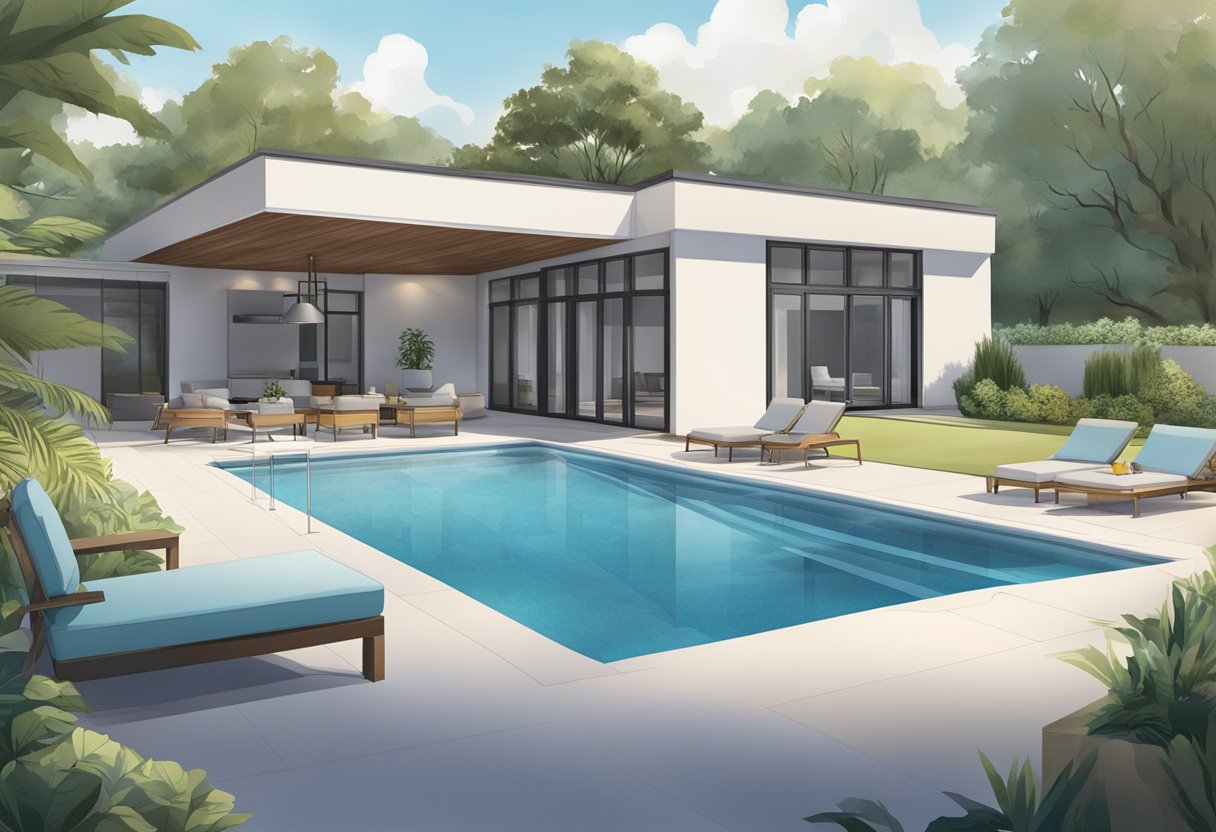
A pool with an automatic cover closing over the water, surrounded by a clean and well-maintained pool deck

The upfront cost of an automatic pool cover may be significants when compared to other types of covers like winter or solar covers. Nevertheless, the long-term benefits of reduced cleaning, lower heating costs, and enhanced safety can offset the initial investment.

By reducing water evaporation and keeping the pool clean from debris, automatic covers can also help to maintain a balance in chemical levels, leading to potentials savings in maintenance expenses.

With a spectrum of options available, the market offers a range of solutions to fit various needs and budgets. From the deluxe, top-of-the-line models that promise style and durability to more basic, yet functional designs, customers are advised to consider the longevity and warranty offered by the manufacturer.

Such considerations ensure the pool cover not only meets immediate practical needs but also stands as a sound long-term investment for any pool owner.

Cost Factors and Considerations

When considering the purchase of an automatic pool cover, one should be aware of several cost factors. These include the materials used, the size and shape of the pool, and the brand’s reputation, all of which can have a significants impact on the final price.

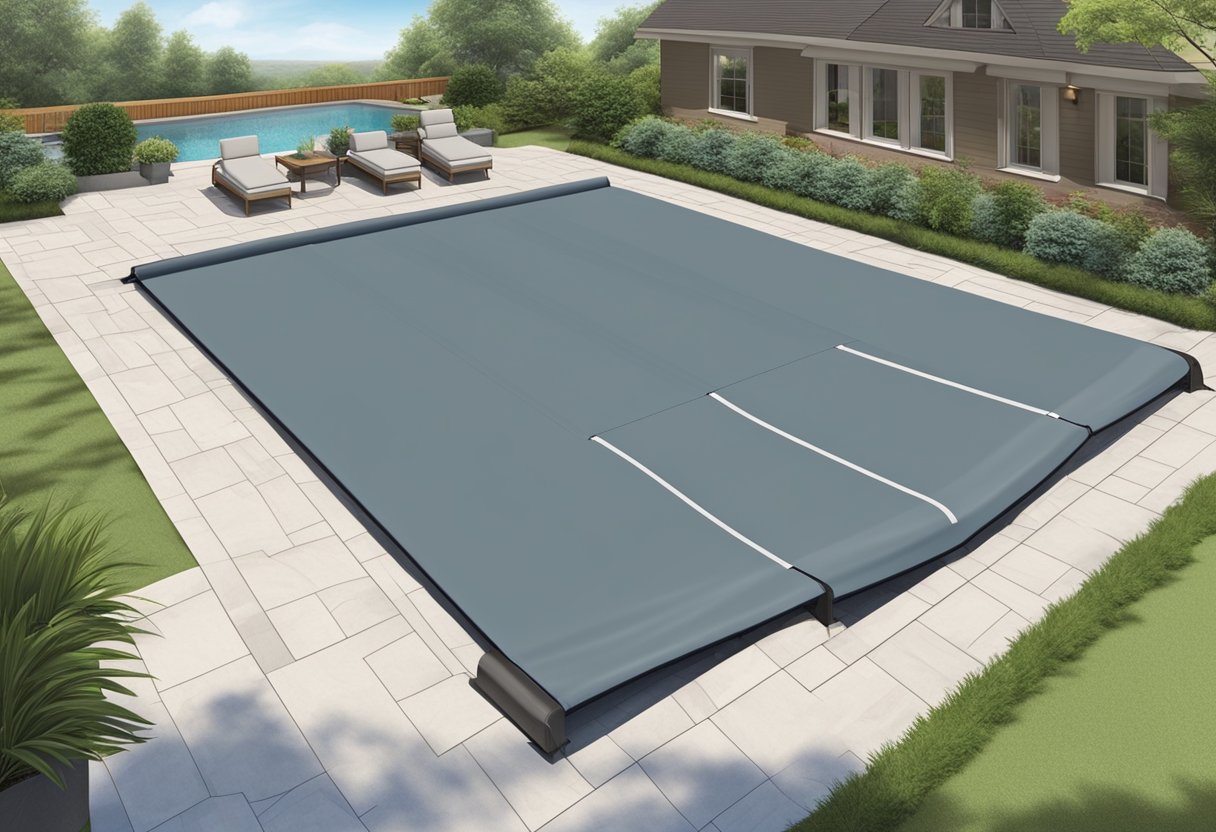
The automatic pool cover is being installed, with a focus on cost factors and considerations. The cover is being measured and adjusted to fit the pool perfectly

Material and Quality

The choice of material greatly affects both the durability and cost of an automatic pool cover. Vinyl is a popular choice due to its longevity, but it can prove expensive.

High-quality materials that offer UV resistance and added safety features could also drive up the cost. Moreover, designer pool covers that utilise premium materials or bespoke design elements can come with a higher price tag.

Size and Shape

The dimensions and contours of a pool determine how much material is necessary and the complexity of the installation.

A simple rectangular cover may fall on the lower end of the cost spectrum, whereas a cover for a non-standard shape or a larger pool requires more material and labour, increasing the cost.

Pool SizeEstimated Cost range (USD)
Small2, 000 – 10, 000
Medium10, 000 – 15, 000
Large15, 000 – 25, 000

Brand Reputation

Brands with a reputation for quality often command higher prices. A renowned brand can guarantee durability and after-sales service but may add to the initial investment.

The brand’s reputation can also reflect in the design options available, with some brands offering more elegants or designer pool covers at a premium.

Installation and Maintenance

When opting for an automatic pool cover, homeowners should prepare for the processes of installation and ongoing maintenance, which both influence the overall value and functionality of the pool cover. These factors play crucial roles in the long-term performance and protection that the cover provides.

Installation Process

The installation of an automatic pool cover is a precise task that typically requires professional expertise, particularly when dealing with electrical components and custom fitting to the pool’s dimensions.

Prices for installation in South Africa can vary widely, influenced by the complexity of the pool’s design and location. For instance:

Pool cover pretoria and Johannesburg: Costs can range from R1, 000 to R3, 000, with the high end reflecting more intricate installations.

  • Other factors: The pool size and the type of cover chosen directly affect the installation cost.

An installation in Pretoria or Johannesburg typically requires a skilled contractor to ensure that the pool cover is fitted accurately and operates seamlessly with the existing pool structure.

-